LoneStar Operating Midland, Texas · Permian Basin operations
Field operations · Production oversight · Asset stewardship
Independent field operating focus

Operating West Texas assets with field discipline

LoneStar Operating supports day-to-day oil and gas operations across a West Texas and Permian Basin operating context through lease surveillance, production awareness, maintenance coordination, HSE practices, vendor control, and clear operating records.

Lease operationsRoutine field checks, route notes, site conditions, access and follow-up
Production oversightProduction context, downtime review, exception awareness and escalation
Maintenance coordinationRepair planning, vendor dispatch, service history and equipment readiness
HSE and stewardshipJob planning, environmental awareness, documentation and accountable field care
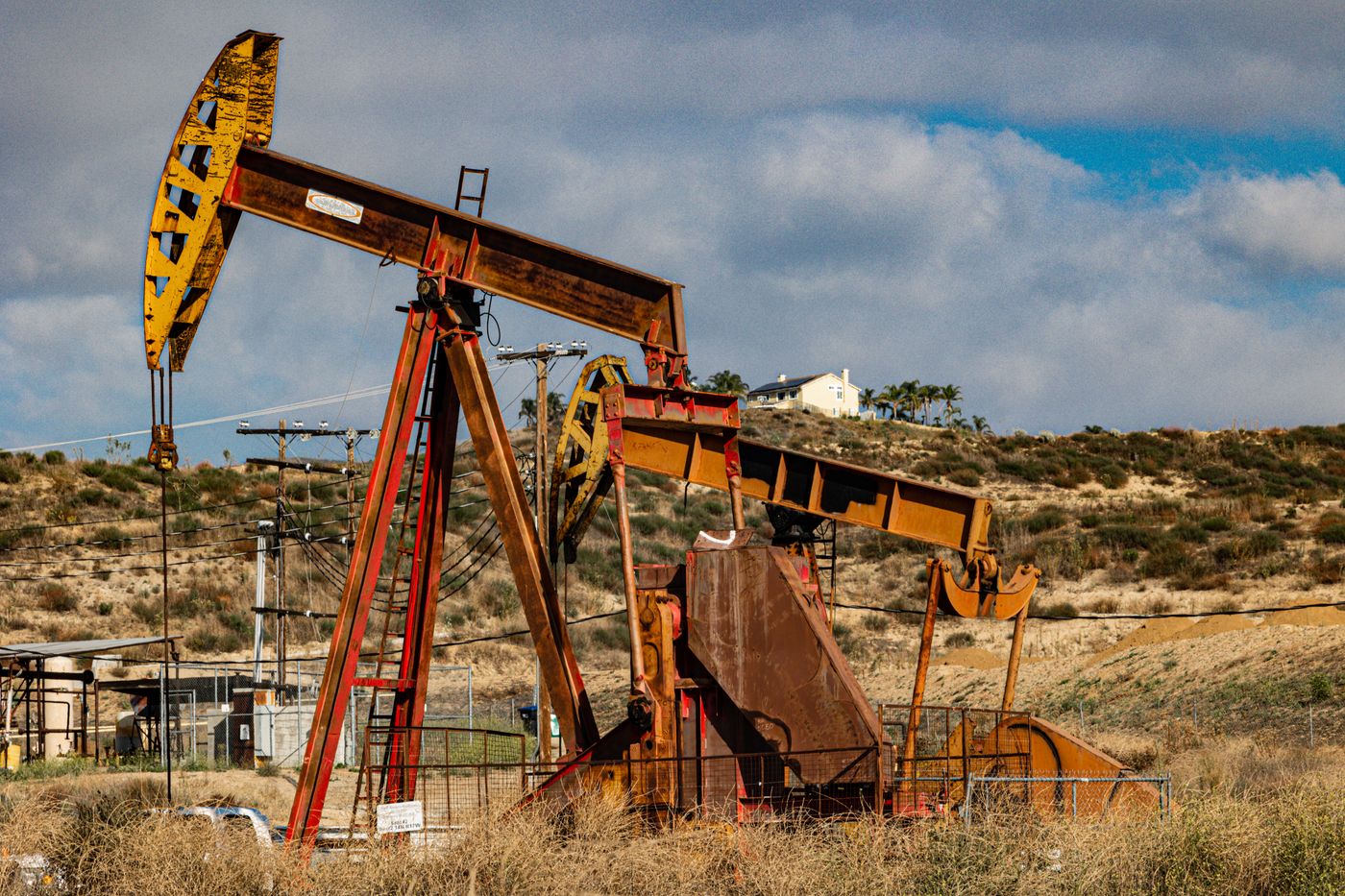
Pumpjack operating in an oil field
Company

Field operations built around what happens at the lease

LoneStar Operating is a West Texas-focused oil and gas operating company based in the Midland area, with an operating emphasis across the Permian Basin and nearby producing areas. The company works in one of the most active oil and gas regions in the United States, where field visibility, equipment readiness, production awareness and dependable communication are central to day-to-day operations. The operating model begins with understanding current site conditions, recognizing changes, keeping maintenance activity organized, and making sure the right information reaches the people responsible for the next decision.

The company approach is deliberately grounded in routine operating work rather than broad performance claims. Lease routes, production conditions, equipment behavior, vendor work, access, safety concerns, environmental observations, and stakeholder questions all become part of the operating record.

That record supports continuity when personnel change, when a service call repeats, when weather affects access, or when an owner, partner, contractor, or internal team needs a clear explanation of what occurred in the field.

Field visibilityKeep current lease conditions and open items visible
Operating follow-throughConnect observations to service, repair and documented closure
Clear communicationUse field context to support owners, vendors and operating teams
Responsible stewardshipProtect equipment, land, access and long-term operating context
Operations

Practical support across the daily operating cycle

The work is organized around recurring field responsibilities that influence production continuity, equipment readiness, safe execution and the quality of operating information.

Oil well field equipment
01 Field operations

Lease operations

Recurring site checks, route activity, tank and equipment observations, road and gate conditions, abnormal-condition notes, basic operating follow-up and clear escalation when field conditions require attention.

Read lease operations
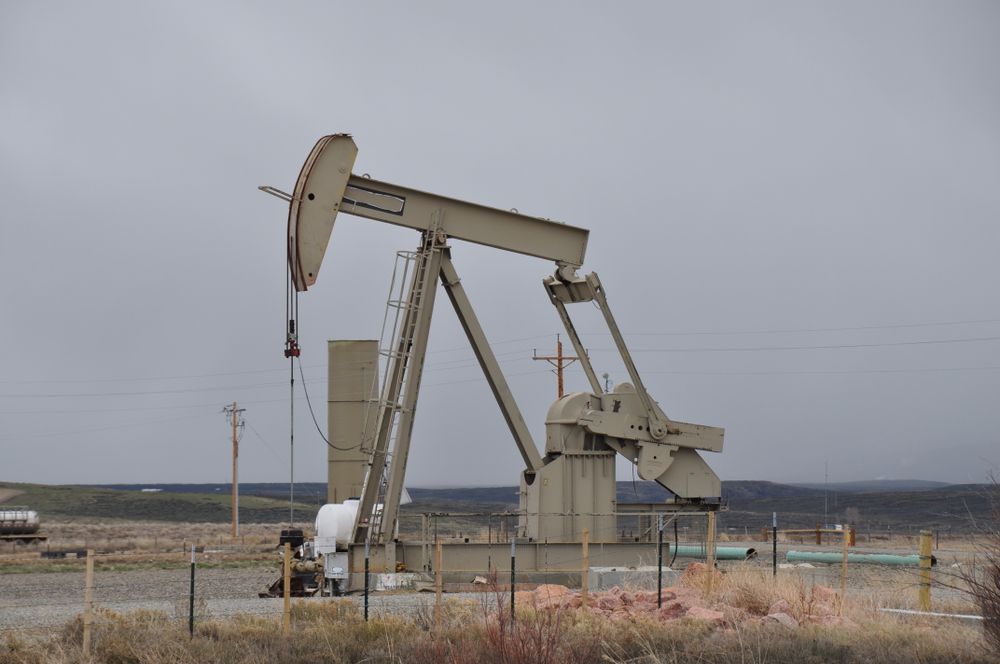
Oil pumpjack in a producing field
02 Production

Production surveillance

Review production changes together with downtime, equipment behavior, power events, field notes, service activity and other operating context that can help determine the right next action.

Read production surveillance
Oilfield machinery and pump equipment
03 Equipment

Maintenance coordination

Organize work requests, vendor timing, site access, repair history, parts awareness, completion notes and follow-up so maintenance activity remains connected to operating priorities.

Read maintenance coordination
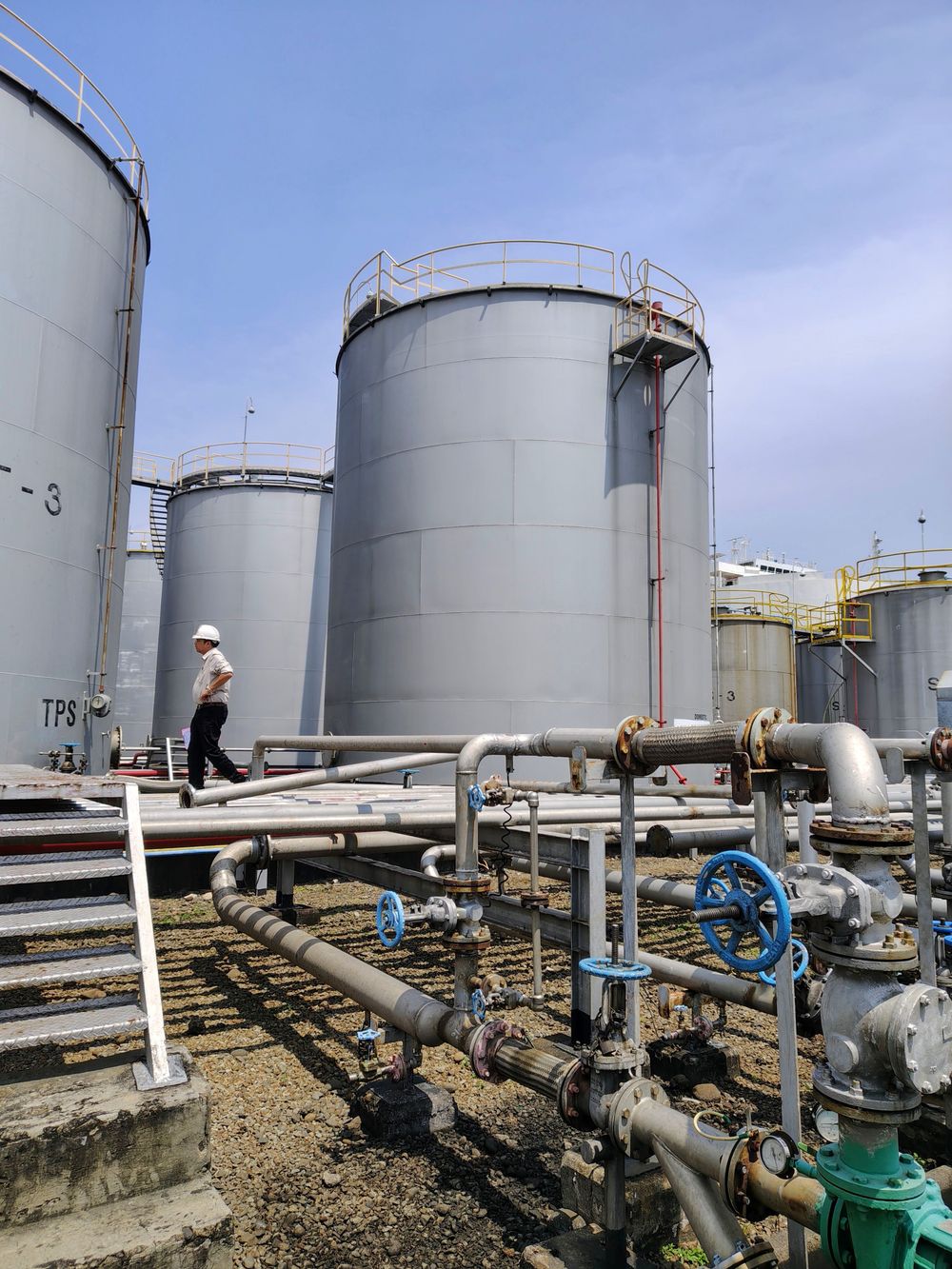
Worker walking beside industrial oil storage tanks
04 Contractors

Vendor coordination

Provide service companies with clearer scope, location, access, safety expectations and completion requirements before work begins, then preserve useful service context after the work is performed.

Read vendor coordination
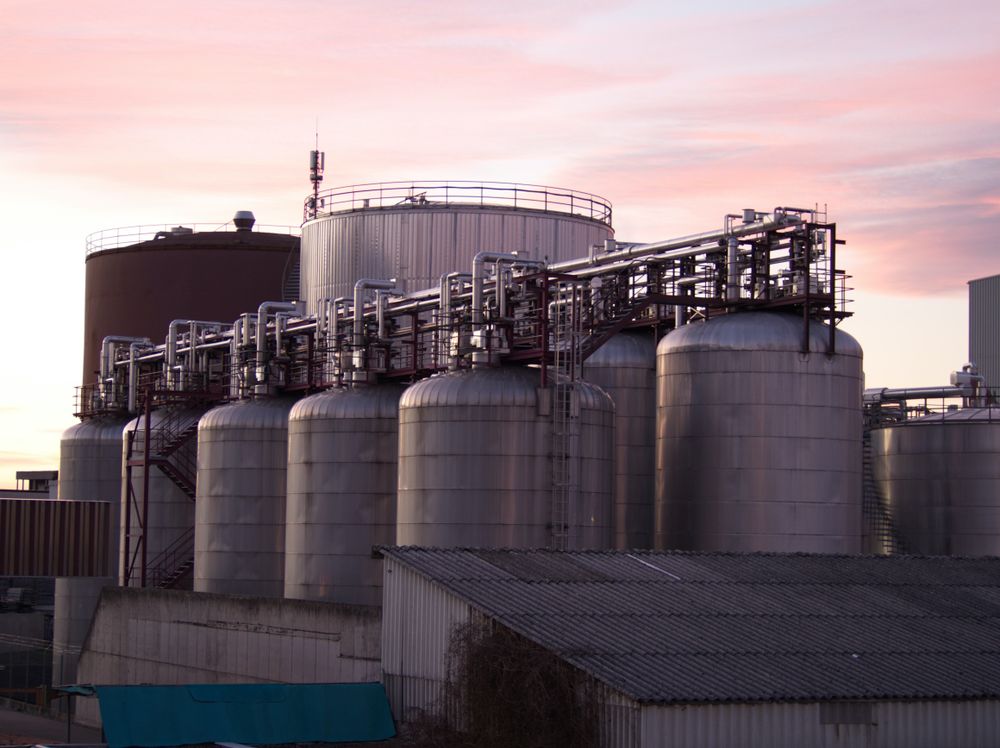
Industrial storage tanks and piping
05 Assets

Surface equipment readiness

Keep recurring equipment conditions, maintenance timing and service history visible for tanks, pumping units, meters, power systems, controls, containment and supporting field infrastructure.

Read equipment readiness
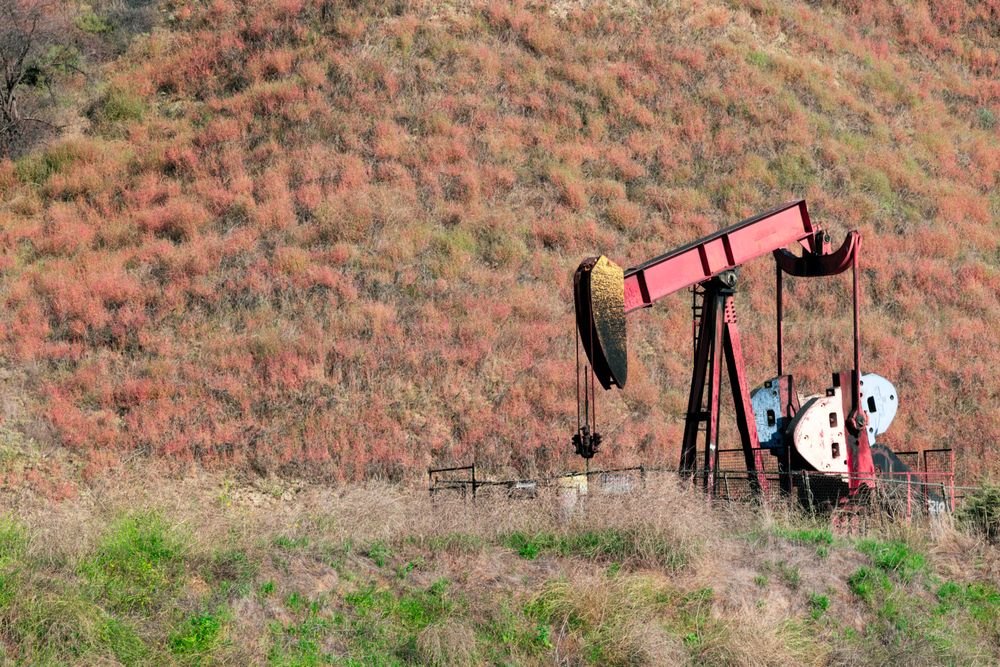
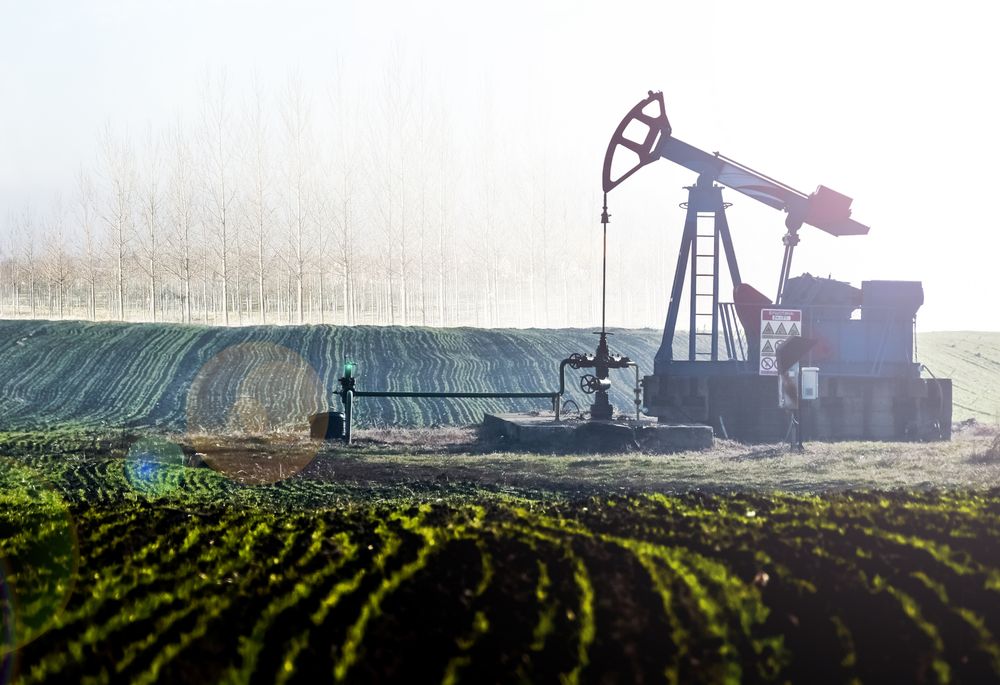
Pumpjack operating in a rural field
06 Records

Operating communication

Organize field activity, maintenance status, vendor notes and operating context so routine questions can be answered from documented information rather than fragmented recollection.

Read operating communication
Operating workflow

From field observation to documented closure

A consistent operating rhythm helps prevent useful field information from getting lost between the lease, the office and third-party service providers.

01

Observe current conditions

Review the lease, production indicators, equipment behavior, access, visible site conditions, open work and any change that should be carried forward.

02

Classify the next action

Separate routine notes from items that need monitoring, maintenance, vendor support, supervisor review or rapid escalation because of safety, environmental or continuity concerns.

03

Coordinate field response

Align scope, timing, access, responsible parties, contractor expectations and the operating priority behind the work.

04

Close the loop

Record what was done, what was observed, whether the original condition is resolved, and any follow-up that remains open for the next route or operating review.

Asset stewardship

Operating attention beyond the wellhead

Producing assets depend on a wider field system. Roads, gates, tanks, piping, power, measurement, containment, signage and vendor access all affect the quality and continuity of daily operations.

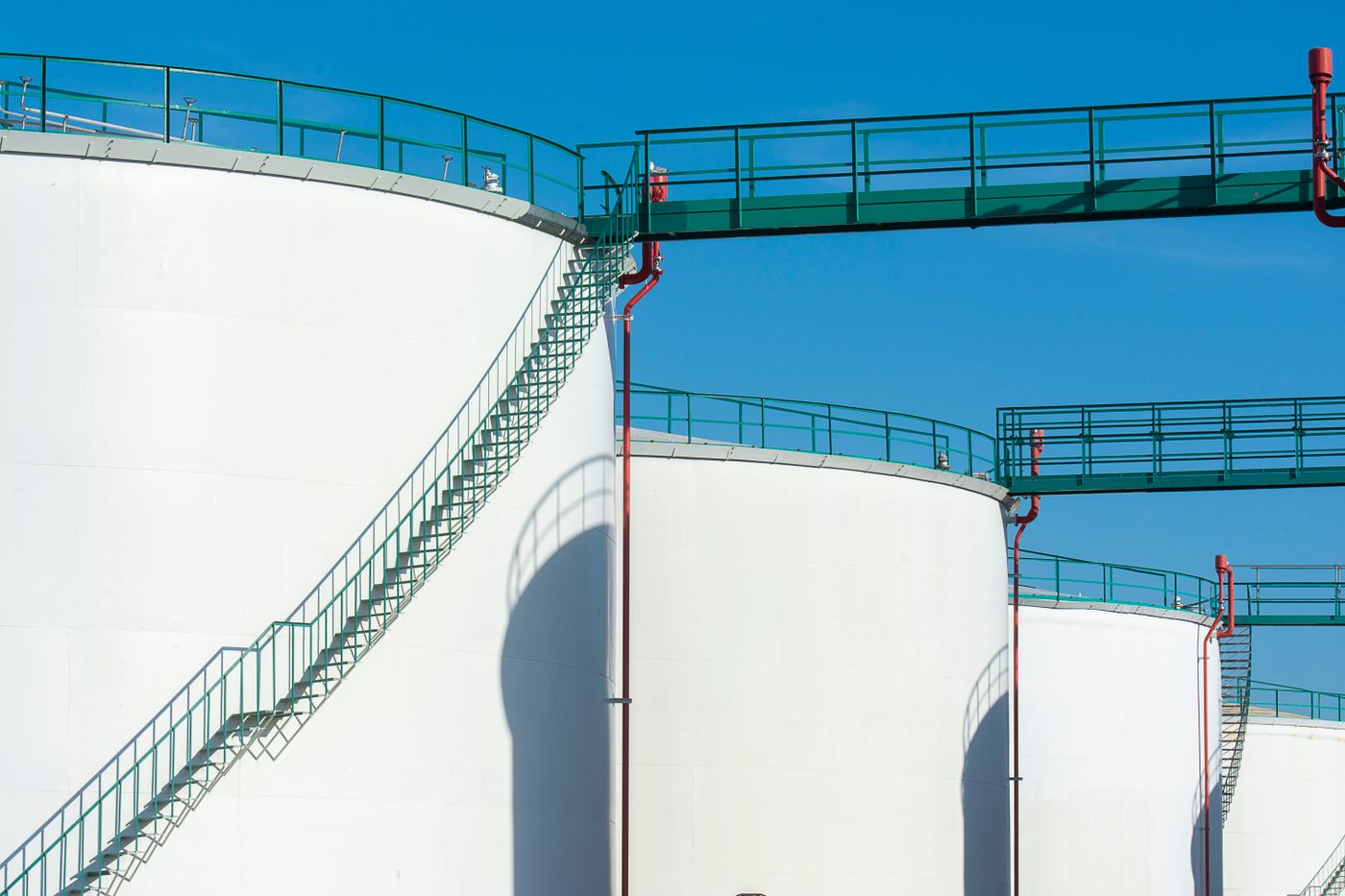
Industrial storage tanks with maintenance walkway
Producing locations

Field routes, site access, well and lease observations, open actions and recurring conditions should remain understandable from one visit to the next.

Tanks and containment

Visible conditions around storage, piping, containment and associated equipment become part of routine awareness and maintenance follow-up.

Measurement and power

Meter conditions, power interruptions, control issues and other supporting-system events can provide important production context.

Roads, gates and access

Weather, road conditions, gates, signage and third-party activity can affect inspection routes, emergency response and contractor scheduling.

Service history

Repair notes and vendor completion information help operating teams understand repeat issues and plan future maintenance with better context.

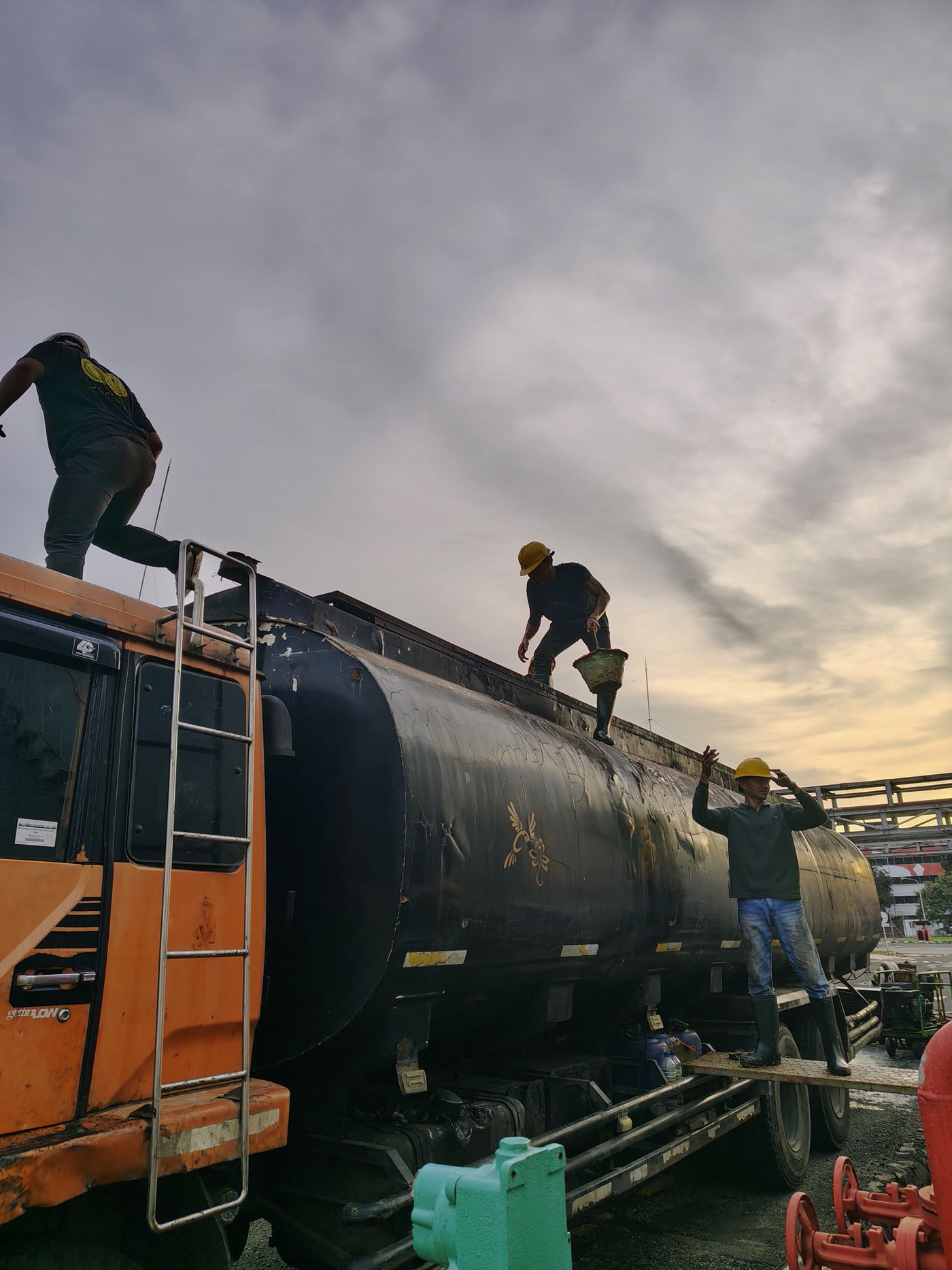
Oilfield workers using an industrial ladder at dusk
Health safety and environment

Safe work begins with current field conditions

Routine work still requires a fresh review. Weather, access, equipment condition, nearby operations, contractors and the scope itself may change between visits, even when the location is familiar.

LoneStar Operating describes HSE as a field discipline tied to planning, communication, stop-work responsibility, environmental awareness, incident escalation and documentation appropriate to the work being performed.

  • Pre-job scope and hazard review before work begins
  • Clear communication between field personnel and contractors
  • Stop-work responsibility when conditions differ from the plan
  • Attention to land, access, containment and visible environmental conditions
  • Escalation and documentation for incidents, abnormal conditions and follow-up
Operating communication

Useful records make routine questions easier to answer

Owners, partners, supervisors and vendors often need context that crosses field activity, maintenance history and production events. Organized records reduce unnecessary back-and-forth.

Owners and partners

Operating context

Explain field activity, maintenance status and timing using documented observations and completed work rather than assumptions.

Service companies

Clear dispatch

Provide location, scope, access, known conditions, timing, safety expectations and completion requirements before a truck rolls.

Internal teams

Clean handoffs

Preserve open actions, recent work and recurring conditions so the next person starts with usable operating context.

Formal matters

Appropriate routing

Ownership, accounting, legal, regulatory and engineering questions should be routed through the responsible formal process and documentation.

Field updates

Operating notes from the field

View all posts
Careers

Build a career around practical field operations

LoneStar Operating welcomes career inquiries from people with oilfield, production, maintenance, HSE, logistics and operations-support experience. Candidate information submitted through this site is treated as an initial expression of interest rather than a guarantee of an open position.

Explore careers
Contact

Tell us what is happening in the field

Use the inquiry form for general operating, field support, vendor, partnership or business-development questions. Do not submit confidential reserve data, title documents, regulated incident materials, personal financial records or other sensitive operating information through the public form.

CompanyLoneStar Operating
WebsiteLoneStarOperating.com
Regional baseMidland, Texas
Operating focusPermian Basin · West Texas
General emailcontact@lonestaroperating.com

General business inquiry

A member of the LoneStar team will review your inquiry and follow up as appropriate